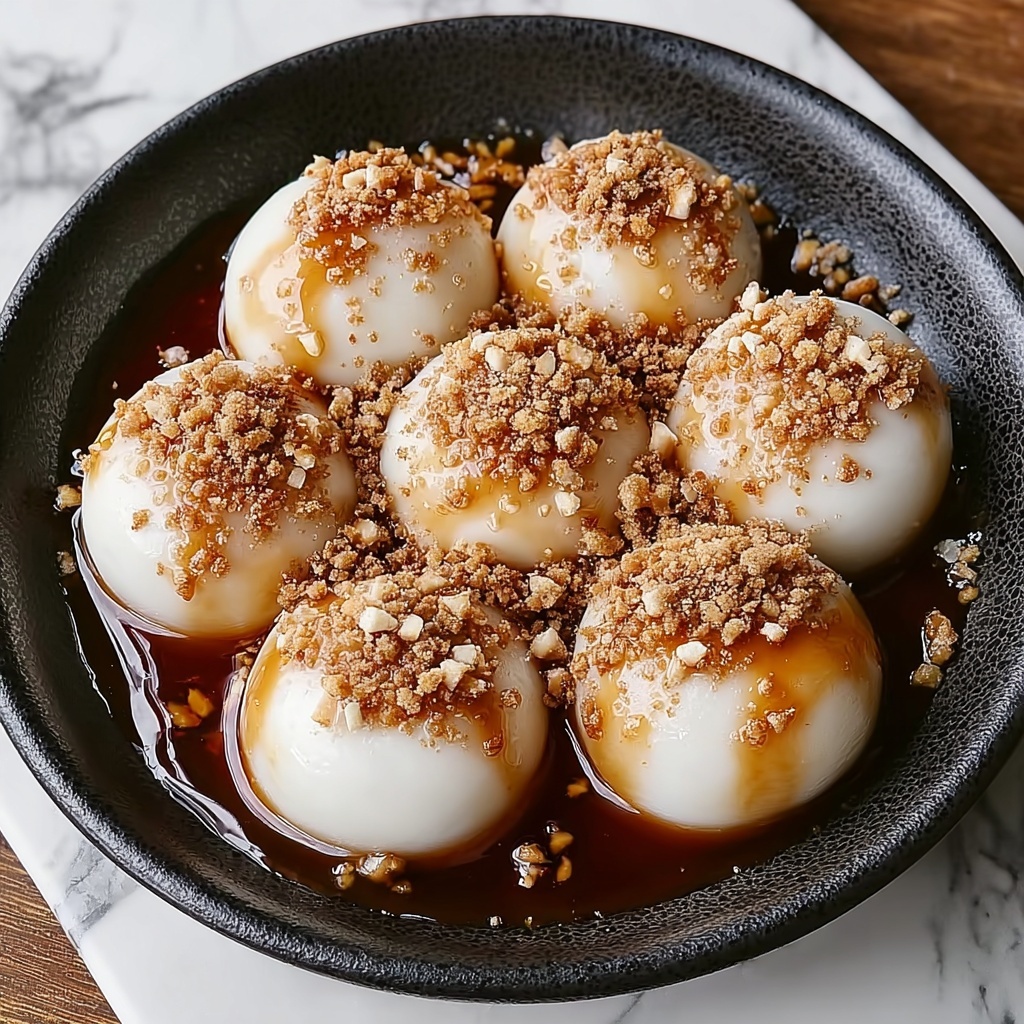
If you’ve ever craved a chewy, delightfully soft treat that perfectly balances subtle sweetness and a tender texture, then you absolutely must try this Shiratama Dango (Rice Dumplings/Mochi Balls) Recipe. These little rice dumplings are a beloved Japanese classic that feel heavenly as a bite-sized pleasure, whether enjoyed alone or with syrup and kinako powder for a boost of nutty flavor. The recipe is wonderfully simple, yet the results are incredibly satisfying, capturing the heart of traditional mochi with a fresh and fun twist.
Ingredients You’ll Need
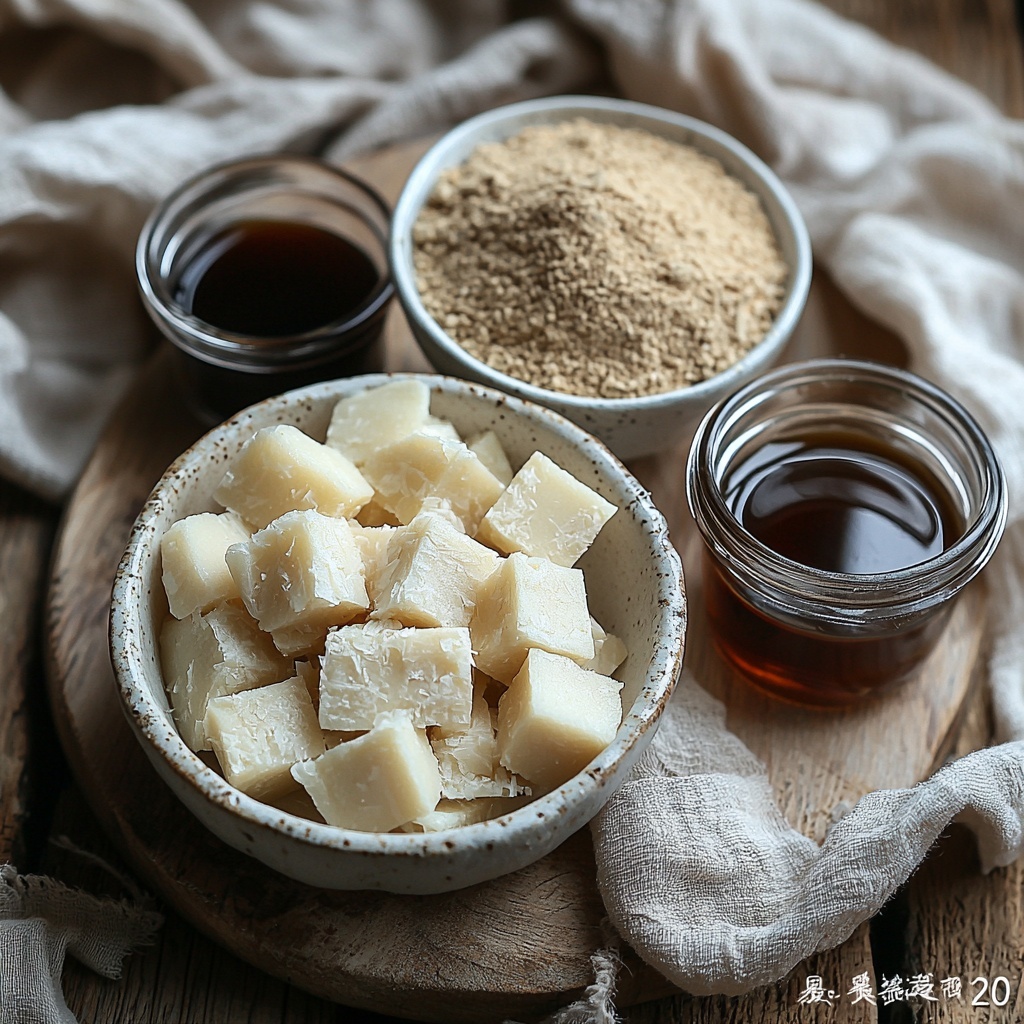
This Shiratama Dango (Rice Dumplings/Mochi Balls) Recipe calls for a handful of ingredients that are straightforward but essential. Each one plays a key role, from providing the sticky, chewy texture that makes dango so addictive to adding that subtle sweetness and a perfect finish.
- 100 g glutinous rice flour (shiratamako): The star ingredient, this flour gives the dumplings their signature chewy and tender texture.
- 90 ml water (approx): Essential for bringing the shiratamako together into a smooth, pliable dough.
- 90 g glutinous rice flour (mochiko): Adds a slightly different chewy texture and firmness to complement the shiratamako.
- 10 g potato starch (katakuriko) or tapioca starch: Used to lighten the mochiko dough and prevent stickiness while cooking.
- 80 ml water (approx): Helps hydrate the mochiko and starch mixture for the perfect dough consistency.
- Dark brown sugar syrup (kuromitsu) for serving: This rich, molasses-like syrup drizzled on top enhances every bite with a deep sweetness.
- Roasted soybean powder (kinako) for serving: A dusty, nutty topping that adds extra flavor and an irresistible traditional flair.
How to Make Shiratama Dango (Rice Dumplings/Mochi Balls) Recipe
Step 1: Prepare the Dough
Start by combining 100 g of glutinous rice flour (shiratamako) in a mixing bowl and whisking it to loosen any lumps. Gradually pour in about 90 ml of water, a little at a time, stirring gently until a soft, smooth dough forms. For the second dough, mix 90 g mochiko with 10 g potato starch, then stir in 80 ml of water until you have a cohesive dough. This dual dough method helps give your dango a wonderful balance of chew and structure.
Step 2: Shape the Dumplings
Once your doughs are ready, shape each into a long cylinder and cut into equally sized small pieces. Roll each piece between your palms to create perfectly round balls, then gently press a small dent into the center of each one. This little indentation gives the dumplings a handmade charm while helping them cook evenly.
Step 3: Cook the Dumplings
Fill a pot with water and bring it to a rolling boil. To avoid the dango sticking together, gently drop them into the water using chopsticks or a slotted spoon. As they cook, watch for them to float to the surface after about three minutes — that’s your cue that they are perfectly cooked and ready to scoop out.
Step 4: Cool and Serve
Once boiled, transfer the dango immediately to a bowl of ice-cold water. This cool soak firms them up slightly and stops the cooking process, locking in that pleasing chewy texture. Drain them well and they’re ready to be served with your favorite toppings.
How to Serve Shiratama Dango (Rice Dumplings/Mochi Balls) Recipe
Garnishes
The traditional way to enjoy Shiratama Dango (Rice Dumplings/Mochi Balls) Recipe is with a drizzle of sweet kuromitsu syrup and a generous dusting of kinako powder. The syrup’s deep molasses flavor beautifully complements the mild dumplings, while the nutty soybean powder adds a fragrant, slightly toasty contrast. These simple garnishes transform the dumplings into a truly authentic Japanese sweet experience.
Side Dishes
For a complete indulgence, pair your dango with green tea or hojicha, whose earthy notes balance the sweetness perfectly. You can also serve the dango alongside fresh fruits like sliced strawberries or citrus segments to add a refreshing touch and vibrant colors to your plate.
Creative Ways to Present
Want to make your Shiratama Dango (Rice Dumplings/Mochi Balls) Recipe even more special? Try threading the dumplings onto skewers for an easy-to-eat street food vibe, or nestle them in a bowl of sweet red bean soup (oshiruko) for a comforting traditional dessert. You can even incorporate them into parfaits layered with ice cream and fruit for a modern twist.
Make Ahead and Storage
Storing Leftovers
Leftover Shiratama Dango (Rice Dumplings/Mochi Balls) Recipe can be stored in an airtight container in the refrigerator for up to 2 days. Cover them with a damp cloth or plastic wrap to prevent drying out and keep that lovely chewiness intact.
Freezing
The best texture is enjoyed fresh, but if you must freeze these dumplings, place them in a single layer on a baking sheet to freeze initially to avoid sticking, then transfer to an airtight container or freezer bag. Frozen dango are best consumed within a month.
Reheating
To reheat, gently steam the frozen or refrigerated dango rather than microwaving, as steaming will help retain moisture and the perfect chewy texture. Alternatively, briefly boiling them for a minute or two works as well.
FAQs
What is the difference between shiratamako and mochiko?
Shiratamako is a type of glutinous rice flour that yields a softer, more elastic texture perfect for dango, while mochiko is another variety of glutinous rice flour producing a slightly firmer chew. Using both balances the texture beautifully in this recipe.
Can I use regular rice flour instead of glutinous rice flour?
Regular rice flour won’t provide the same sticky and chewy texture necessary for authentic shiratama dango. It’s best to stick with glutinous rice flour varieties like shiratamako or mochiko.
How do I prevent the dango from sticking together?
Roll the dumplings lightly dusted with starch or flour and add them to boiling water one by one. After boiling, placing them in ice water helps separate them and maintain texture. You can also lightly coat them in kinako or potato starch before serving.
Can I flavor the dango dough?
Absolutely! You can incorporate natural flavors like matcha powder, cocoa powder, or even fruit juice into the dough to create colorful and tasty variations.
What’s the best way to serve kuromitsu syrup?
Kuromitsu syrup is best drizzled generously over the cooled dango right before serving so that each bite is coated in that rich, caramel-like sweetness. It can also be warmed slightly if you prefer a bit of warmth with your dessert.
Final Thoughts
I can’t recommend trying this Shiratama Dango (Rice Dumplings/Mochi Balls) Recipe enough if you want a delightful, chewy treat that feels like a warm hug from Japanese tradition. It’s simple to make, fun to eat, and endlessly versatile whether as a quick snack or a beautifully presented dessert. So gather your ingredients and give this recipe a go — your taste buds will thank you for it!
Print
Shiratama Dango (Rice Dumplings/Mochi Balls) Recipe
- Prep Time: 15 minutes
- Cook Time: 5 minutes
- Total Time: 20 minutes
- Yield: 12 dumplings (serves 4 people)
- Category: Dessert
- Method: Boiling
- Cuisine: Japanese
- Diet: Gluten Free
Description
Shiratama Dango are traditional Japanese chewy rice dumplings made from glutinous rice flour. These soft mochi balls are lightly boiled and served chilled with sweet kuromitsu syrup and nutty roasted soybean powder, making a delightful and authentic Japanese dessert perfect for any occasion.
Ingredients
For Shiratama Dango
- 100 g glutinous rice flour (shiratamako)
- 90 ml water (approx)
- 90 g glutinous rice flour (mochiko)
- 10 g potato starch (katakuriko) or tapioca starch
- 80 ml water (approx)
For Serving
- Dark brown sugar syrup (kuromitsu)
- Roasted soybean powder (kinako)
Instructions
- Prepare Shiratamako Dough: In a mixing bowl, combine 100 g glutinous rice flour (shiratamako) and whisk briefly to remove lumps. Gradually add approximately 90 ml of water while mixing, until a smooth, pliable dough forms that is soft but not sticky.
- Prepare Mochiko Dough: In a separate bowl, mix 90 g glutinous rice flour (mochiko) with 10 g potato starch (katakuriko) or tapioca starch. Gradually add approximately 80 ml water and stir until a smooth dough forms.
- Shape the Dumplings: For each dough, shape it into a cylinder and cut into small, evenly sized pieces. Roll each piece into a smooth ball, approximately 2–3 cm in diameter, then press a slight dent in the center of each ball to help them cook evenly.
- Boil the Dumplings: Bring a large pot of water to a boil. Using chopsticks or a slotted spoon, gently place the dumplings into the boiling water to prevent sticking. Boil the dumplings until they float to the surface, which usually takes about 3 minutes, indicating they are cooked through.
- Cool the Dumplings: Using a slotted spoon, transfer the cooked dumplings immediately into a bowl of ice-cold water. This stops the cooking process and gives the dumplings their characteristic chewy texture.
- Serve: Drain the dumplings from the cold water and serve chilled. Drizzle generously with dark brown sugar syrup (kuromitsu) and sprinkle with roasted soybean powder (kinako) for a traditional and flavorful finish.
Notes
- Adjust water quantities slightly as needed to achieve the right dough consistency; it should be soft but manageable without being sticky.
- You can use either shiratamako or mochiko dough, or combine both to experience subtle texture differences.
- Serving dumplings cold enhances their chewy texture and complements the sweet syrup and nutty powder.
- Kuromitsu syrup can be homemade by dissolving dark brown sugar in water and simmering until thickened, or purchased pre-made.
- To store leftovers, keep dumplings refrigerated in water for up to 2 days; reheat by boiling briefly before serving.