If you’ve ever wondered how to preserve that fresh garden taste year-round, learning How to Dry Fresh Basil Recipe is an absolute game changer. This method keeps basil’s vibrant aroma and flavor alive long after the growing season ends, turning a simple herb into a pantry treasure. Whether you have a bounty from your garden or just grabbed a bunch at the store, drying basil properly enhances its shelf life and ensures you always have that punch of herbal goodness ready to elevate your cooking.
Ingredients You’ll Need
You’ll be amazed at how minimal and straightforward the ingredients for drying basil are. Each one plays a crucial role in making sure the flavors stay intact and the drying process goes smoothly.
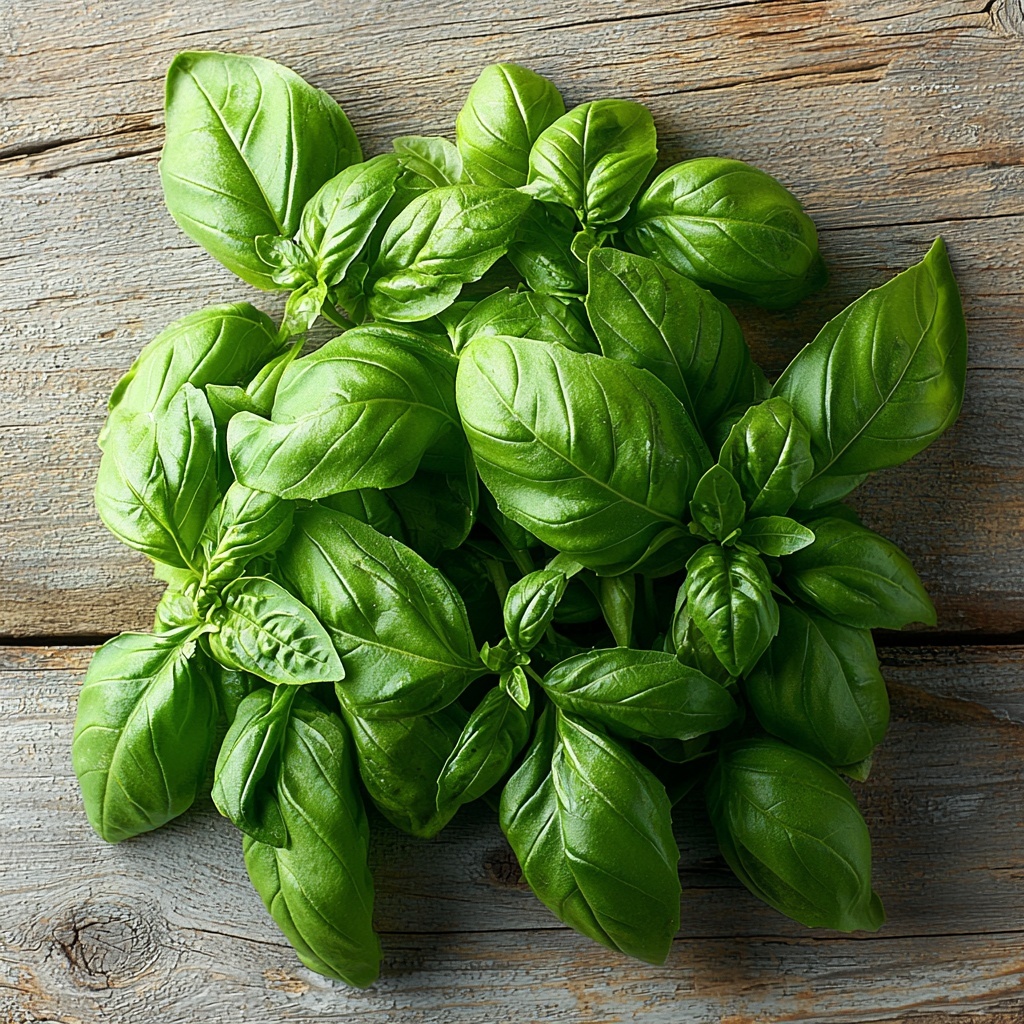
- Fresh basil bunches: Choose vibrant, healthy leaves as they dry best and retain the most flavor.
- Clean water: For rinsing the basil without damaging delicate leaves.
- Paper towels or a clean kitchen towel: Essential for drying the leaves gently to avoid mold during storage.
How to Make How to Dry Fresh Basil Recipe
Step 1: Rinse and Prepare the Basil
Start with fresh basil by giving it a gentle rinse in cool water to wash off any dirt or insects. Handle the leaves carefully as they’re tender and bruise easily, which can affect the drying process. After rinsing, pat them dry thoroughly using paper towels or a soft kitchen towel to remove surface moisture and prevent any unwanted spoilage.
Step 2: Remove Leaves from Stems
This step is all about making sure your basil dries evenly. Strip the leaves off the tough stems because the leaves dry faster and more uniformly when separated. Plus, whole stems can trap moisture and cause uneven drying or even mildew, so it’s best to leave just the beautiful green leaves.
Step 3: Choose Your Drying Method
There are several ways to dry basil, and the best one depends on your time and equipment. You can air dry by spreading the leaves in a single layer on a clean screen or paper towel in a warm, dry place away from direct sunlight. Alternatively, using a dehydrator set at a low temperature works wonders and speeds up the process without impacting flavor. Oven drying can be done on the lowest setting, but keep a close eye to avoid burning.
Step 4: Let Basil Dry Completely
Patience is key here! Depending on your method, basil leaves can take anywhere from a few hours to several days to dry properly. The leaves should feel crisp and crumble easily when fully dried. Any lingering softness means there’s still moisture, which could lead to mold during storage.
Step 5: Store Your Dried Basil
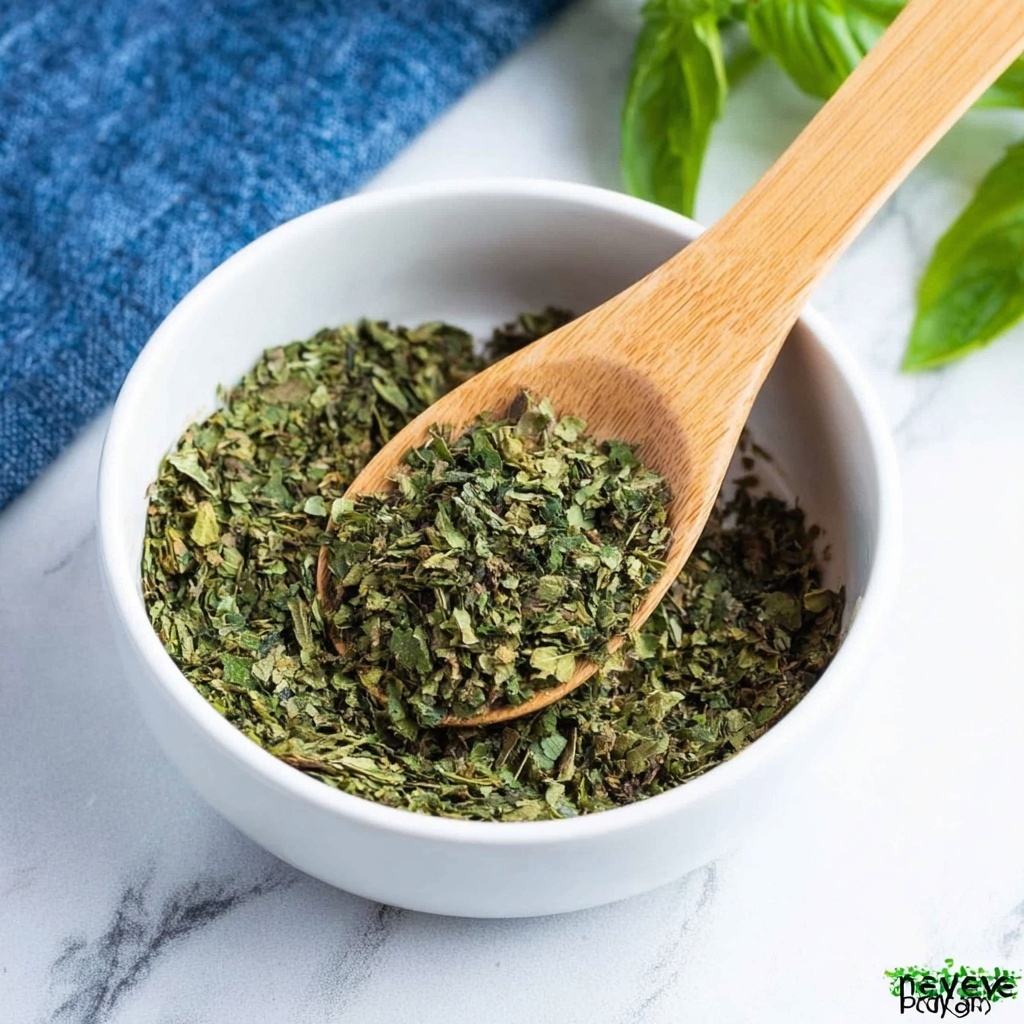
Once completely dry, crumble the basil leaves gently and keep them in an airtight container away from light and heat. A glass jar with a tight lid is ideal. This way, the dried basil stays fragrant and ready to use for months, bringing that unmistakable fresh basil essence to your meals anytime.
How to Serve How to Dry Fresh Basil Recipe
Garnishes
Dried basil makes a charming garnish that adds both flavor and color. Sprinkle a pinch over pasta, pizza, or fresh tomato dishes right before serving to enhance the aroma and kick up the herbal vibe subtly.
Side Dishes
Add dried basil to roasted vegetables or mixed into compound butters to impart an irresistible basil note that complements nearly every side dish you can dream up.
Creative Ways to Present
Try infusing dried basil into olive oil or vinegar for a homemade gourmet touch. You can also blend it into homemade bread dough or mix into salad dressings to surprise and delight your taste buds.
Make Ahead and Storage
Storing Leftovers
Keep any extra dried basil stored in a cool, dark place in a sealed container. Properly stored, it maintains flavor for up to a year. Avoid exposure to moisture and light, which degrade herbs quickly.
Freezing
If you’d prefer to freeze basil instead, simply chop fresh leaves and place them in ice cube trays with a bit of water or olive oil. While freezing preserves flavor, drying transforms it differently and suits recipes calling for a more concentrated taste.
Reheating
Dried basil does not require reheating. Instead, add it toward the end of cooking to maintain its aromatic qualities. High heat can diminish its delicate flavor, so sprinkle it on casseroles, soups, or sauces just before taking them off the stove.
FAQs
Can I dry basil with the stems attached?
It’s best to remove the leaves from the stems before drying because the stems dry slower and can trap moisture, leading to uneven drying or spoilage.
How long does it take to dry basil properly?
The drying time varies based on the method and environment. Air drying may take up to a week in warm, dry conditions, while using a dehydrator or oven can reduce that time to a few hours.
Does dried basil taste the same as fresh?
Dried basil has a more concentrated and slightly different flavor profile. While fresh basil is bright and grassy, dried basil offers a nuttier, warmer flavor perfect for cooked dishes.
What’s the best way to store dried basil?
Store dried basil in an airtight container away from heat and sunlight to preserve its flavor and color for up to one year.
Can I use dried basil in all recipes that call for fresh basil?
Dried basil works well in cooked dishes but usually adds less flavor to raw preparations. For fresh applications like salads or pesto, fresh basil is preferred.
Final Thoughts
There’s something deeply satisfying about knowing you can keep the bright, herbaceous magic of basil ready to go whenever you want. This How to Dry Fresh Basil Recipe is not only simple but also one of the most rewarding kitchen skills to master. So why not grab a bunch of basil and try drying it today? Your future self—and your dishes—will thank you for it!
Print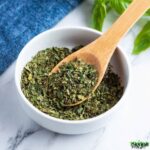
How to Dry Fresh Basil Recipe
- Prep Time: 3 minutes
- Cook Time: 0 minutes
- Total Time: 1 to 2 weeks (drying time)
- Yield: 1 container of dried basil
- Category: Herbs & Seasonings
- Method: No-Cook
- Cuisine: Universal
Description
Learn how to properly dry fresh basil to preserve its vibrant flavor for long-term use. This simple, no-cook method ensures your basil retains its aromatic qualities, perfect for seasoning dishes year-round.
Ingredients
Ingredients
- 1–4 bunches fresh basil
Instructions
- Prepare the Basil: Rinse the fresh basil leaves thoroughly under cool water to remove any dirt or debris. Gently pat them dry with a clean kitchen towel or use a salad spinner to remove excess moisture.
- Remove Leaves from Stems: Carefully strip the basil leaves from their stems, discarding the woody parts. This helps the leaves dry more evenly and quickly.
- Arrange for Drying: Spread the basil leaves in a single layer on a clean paper towel or mesh screen to allow good air circulation. Ensure leaves are not overlapping to prevent mold formation.
- Let Dry Naturally: Place the basil in a warm, dry area away from direct sunlight. Allow the leaves to air dry for about 1 to 2 weeks, checking periodically and turning them gently to promote even drying.
- Store Dried Basil: Once the leaves are completely dry and brittle to the touch, crumble them if desired and store in an airtight container away from heat and light to maintain optimal flavor.
Notes
- Do not use a microwave or oven to dry basil as it can diminish the flavor and aroma.
- If you need basil dried quickly, consider using a dehydrator set to a low temperature.
- Dried basil loses potency over time; use within one year for best flavor.
- Keep dried basil away from moisture to prevent spoilage.